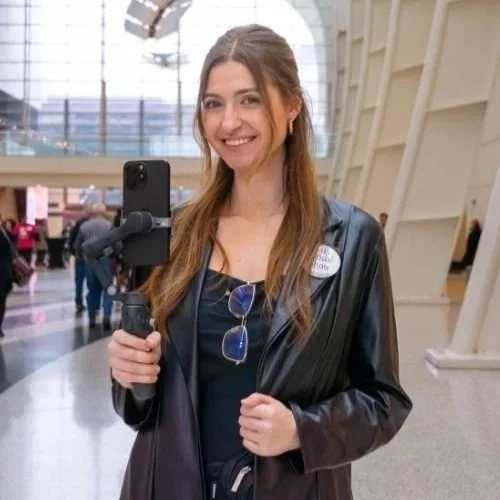
How to Pose for Social Media Content on Camera (so you don’t feel like a statue)
Lowkey, cool-girl energy. Professional, but not cringy. Your cheat sheet to looking natural—even if you feel awkward.
Why Posing Matters
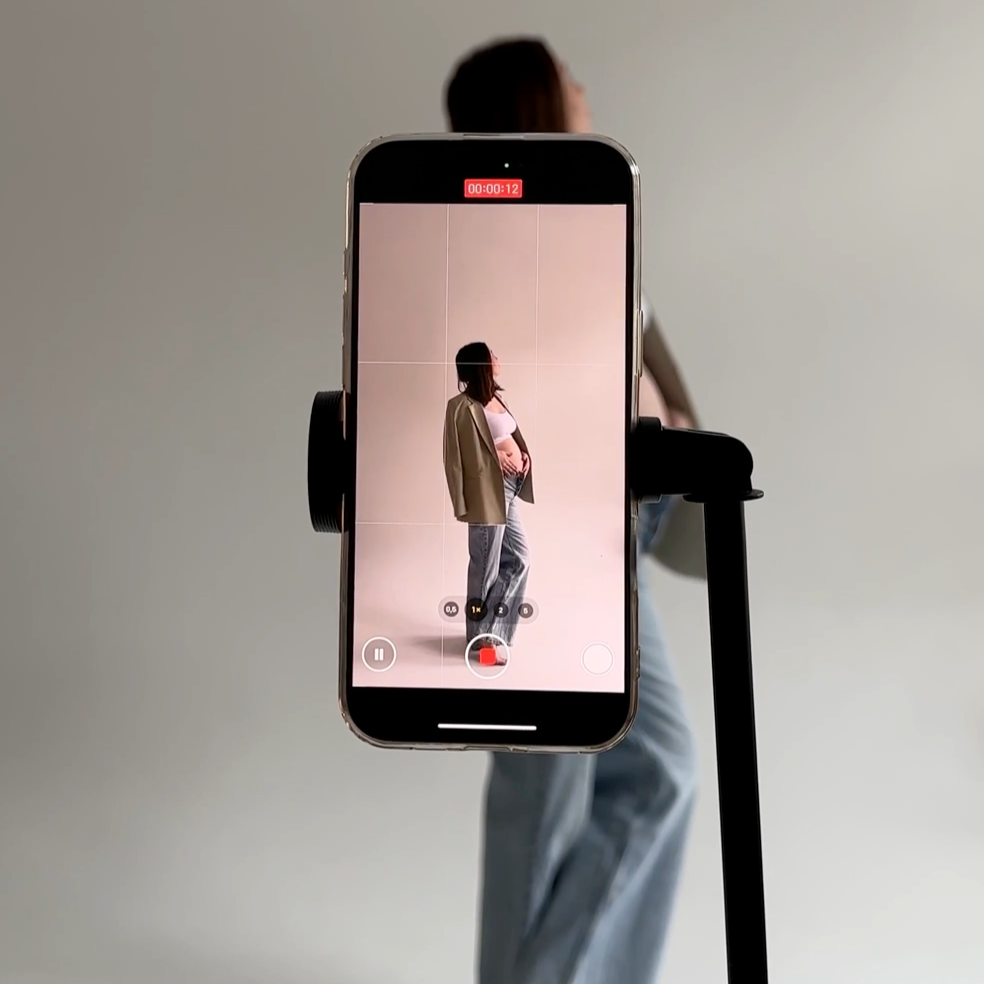
Here’s the thing: posing isn’t about becoming a model. It’s about giving your body mini cues so your photos and videos look intentional, relaxed, and aligned with your brand. The difference between “ugh, I look stiff” and “okay wait, I look legit” is usually a few micro-adjustments—your posture, where your hands go, how your chin sits, where your eyes focus.
If you’re creating content for your brand (hi SOCIAL ASSUMPTIONS®), you don’t need a new face, a new style, or a ring light obsession. You need a few reliable prompts, 2–3 go-to angles, and a simple warm-up so your body stops screaming, “What do I do with my hands?” and starts serving “effortless, relatable, confident.”
This guide covers exactly that: how to prep, how to pose without feeling fake, prompts for photos and video, solo creator tools, and a script you can use when your brain stalls on set.
Quick Checklist (save this for your next shoot)
Before You Shoot
Outfit steamed, lint roller used
Window light identified; overheads off
Grid lines ON; AE/AF lock tested
Tripod + remote ready; timer set
Props staged (mug, notebook, product)
Posing Reminders
Weight back foot, hips angled
Chin forward slightly
Give hands a job
Soft gaze; micro-smile
Count beats for micro-movements
Shot Sequence
Editorial Stand → Lean → Seated Ease → Walk-In
Product Showcase → Detail Close-Up
Over-the-Shoulder → Movement/Laugh
Horizontal + Vertical versions
What to Do With “Bad” Photos
Spoiler: keep them. “Bad” photos teach you what to tweak. Make notes:
Note the angle: Was the camera too low/high?
Note the light: Were you backlit? Mixed warm/cool light?
Note the pose: Were your hands unemployed? Shoulders tight?
Adjust and reshoot: Fix one thing at a time and take 3–5 new frames.
Your posing gets better quickly when you iterate intentionally.
Confidence Mindset (the part no one talks about)
You don’t have to love being on camera to look good on camera. Treat it like a skill, not a personality trait. The more you practice tiny, low-pressure sessions (5–10 minutes), the more your body remembers the cues: chin forward, hands working, soft gaze. It becomes muscle memory.
Also, permission granted to not post everything. You can shoot 50 frames and publish 6. The point is to capture options, not perfection.
The Posing Playlist Trick (yes, it matters)
Sound helps you stop overthinking. Build a short playlist (3–5 songs) that matches your brand vibe—calm, upbeat, moody, whatever your thing is. Start with a familiar track that automatically relaxes you. Cue your movements on the beat. It’s a tiny hack that changes everything from facial expression to timing.
Rapid-Fire Fixes for Common Posing Issues
“I look stiff.”
Shake out hands and shoulders.
Switch to a micro-action (adjust cuff, play with pen, tuck hair).
Look away, then back to camera on a 3-count.
“My smile looks forced.”
Breathe out slowly; relax your jaw.
Think of a genuinely silly moment; smile small first, then bigger.
Try “soft smile with lips closed” → “open smile” → “laugh shot.” Take all three.
“I don’t know what to do with my arms.”
Anchor one hand with a prop.
Light cross-arm with relaxed wrists.
Hands in pockets with thumbs out (casual, not stiff).
“My angles feel weird.”
Turn your hips 15–30° off camera.
Chin slightly forward; avoid tipping up.
If your phone has 2x/3x lens, step back and zoom for flattering compression.
“Everything looks flat.”
Add layers: prop in foreground, you in mid-ground, backdrop in background.
Use a 45° camera angle to add dimension.
Try Portrait mode for depth (check edge detection!).
Solo Creator Tools (so you don’t need a camera person)
Tripod + Bluetooth Remote
A simple phone tripod keeps framing consistent.
Use the remote to trigger photos without rushing back and forth.
Timer + Burst Mode
Set 3–10s timer; move into your pose; camera captures a sequence.
For movement, hold the shutter and drag left for burst (iPhone).
Framing Helpers
Place a piece of tape on the floor where you should stand—keeps your focus sharp.
Use a mirror behind the camera (angled) to check posture quickly.
Lighting Cheats
Face a window. If harsh, diffuse with a sheer curtain or thin white cloth.
Bounce light with a white foam board on the opposite side.
If you use a ring light, set it slightly above eye level and tilt it down 10–15°.
You’re Not a Statue. You’re a Story.
Posing is just storytelling through posture, micro-actions, and expression. With a little prep, a few reliable prompts, and the “hands always have a job” rule, you’ll look natural on camera—even on days when you feel awkward. Build your personal library of poses (2–3 you love), practice in short bursts, and keep the energy low-pressure. Your audience doesn’t need perfection. They want you, relaxed, confident, and relatable.

Get 30 Free Canva Templates
Get 30 Free Canva Templates for your blog or business! From Social Media Posts to branding materials, these templates are perfect for different marketing tasks.
KEEP READING




TOP CATEGORIES


SOCAILASSUMPTIONS SERVICES